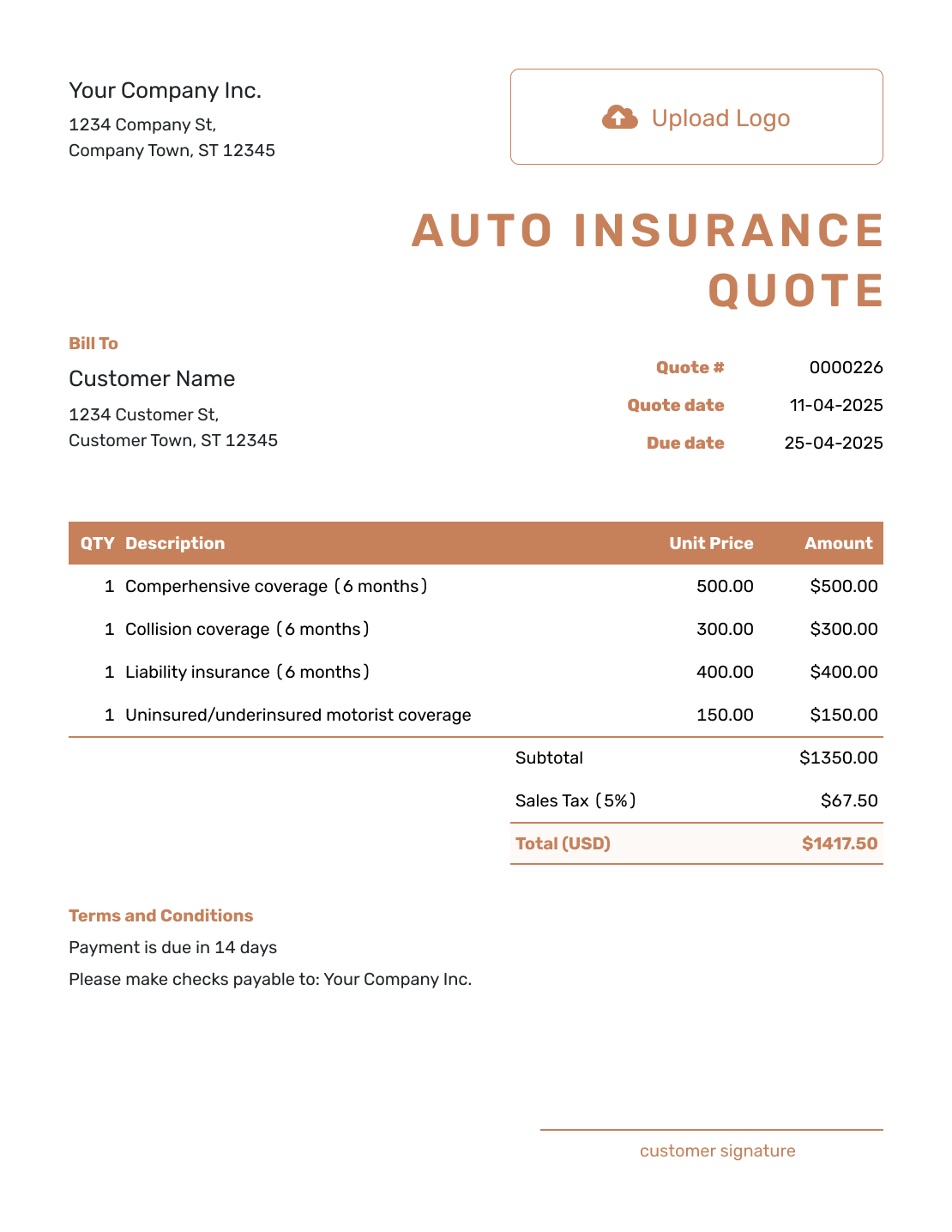
Automobile car insurance quotes are estimates provided by insurers that outline the premium cost for covering a vehicle under a specific policy. For example, a driver in Ohio might receive a quote of $1,150 annually from State Farm after entering age, driving record, and vehicle details.
Understanding these quotes matters because they influence budgeting, risk management, and legal compliance. Historically, the shift from paper applications to online quoting platforms in the early 2000s accelerated competition, driving down prices and increasing transparency for consumers.
This article breaks down the mechanics of obtaining accurate quotes, highlights common pitfalls, and offers actionable steps to secure the best possible rate.
1. Understanding automobile car insurance quotes
Grasping the components of a quote—base rate, risk modifiers, discounts, and fees—helps decode why two drivers with similar cars may see different premiums. Insurers evaluate factors such as age, location, credit score, and driving history, each adding or subtracting dollars from the base price.
For instance, a 30‑year‑old driver with a clean record in a low‑crime suburb may receive a lower quote than a peer living in a high‑traffic urban area, even if both own identical sedans.
2. Pricing dynamics
- Base premium
The starting amount before adjustments, often set by state regulations and actuarial data. A company might list $900 as the base for a compact car.
- Risk modifiers
Factors like mileage, vehicle safety features, and claims history that increase or decrease the base. Adding a forward‑collision system could shave 5% off the premium.
- Discounts
Eligibility for multi‑policy, good‑driver, or anti‑theft discounts can reduce the final quote substantially. A driver bundling home and auto policies may save $150 annually.
- Fees and taxes
State‑mandated fees, surcharges, and local taxes are added after discounts, often accounting for 10‑15% of the total cost.
- Geographic adjustments
High‑risk zip codes incur higher rates due to accident frequency and theft statistics. A quote in Detroit may be $200 higher than one in a rural area.
3. Common mistakes
- Providing inaccurate data
Misreporting mileage or vehicle usage leads to quotes that are later adjusted upward, causing surprise premium hikes.
- Skipping discount inquiries
Many drivers overlook available discounts; a simple call can reveal savings of $100‑$300 per year.
- Choosing coverage based solely on price
Lowest quotes may lack essential coverage like uninsured motorist protection, exposing drivers to financial risk.
- Ignoring policy renewal terms
Some insurers offer low introductory rates that jump dramatically at renewal. Understanding renewal clauses prevents budget shocks.
4. Comparison strategies
Effective comparison involves collecting at least three quotes from reputable carriers, normalizing coverage levels, and using a spreadsheet to track each component. By aligning deductibles and liability limits, the true cost difference becomes evident.
Real‑world example: A family compared quotes from GEICO, Allstate, and Progressive, discovering that while GEICO’s headline price was lowest, Progressive offered a superior accident forgiveness program worth the extra $50 per month.
5. Role of technology
Online aggregators and AI‑driven underwriting tools streamline data entry, instantly matching drivers with personalized rates. Telematics devices, such as usage‑based insurance (UBI) kits, feed real‑time driving behavior to adjust premiums dynamically.
In practice, a driver who maintains an average speed under 45 mph and avoids hard braking can see a 12% discount through a UBI program offered by Nationwide.
6. Legal and regulatory considerations
State insurance departments set minimum liability requirements; quotes must reflect these baselines. Failure to meet statutory limits can result in fines or loss of coverage.
For example, California mandates $15,000 for bodily injury per person, influencing how insurers calculate minimum‑required premiums in that market.
7. Timing and renewal tactics
Purchasing a quote during off‑peak seasons—typically late winter—often yields better rates as insurers compete for new business after the holiday slowdown.
Renewal timing also matters; initiating a quote 30‑45 days before policy expiration gives leverage to negotiate better terms or switch carriers without a coverage gap.
Frequently Asked Questions
Below are quick answers to the most common inquiries about automobile car insurance quotes.
Question 1: How are automobile car insurance quotes calculated?
Quotes are built from a base premium adjusted by risk factors such as age, driving record, vehicle type, location, and credit score. Discounts and state fees are then applied, resulting in the final amount presented to the driver.
Question 2: Can a single driver receive different quotes from multiple insurers?
Yes. Each insurer uses its own actuarial models and weighting of risk factors, so the same driver may see a range of premiums based on how each company evaluates the data.
Question 3: What discounts are commonly available?
Typical discounts include multi‑policy bundling, safe driver, good student, anti‑theft device, low mileage, and usage‑based telematics programs. Eligibility varies by carrier.
Question 4: Is it better to choose the cheapest quote?
Not always. The lowest price may lack essential coverage limits or endorsements. Comparing coverage details ensures the selected quote meets both budget and protection needs.
Question 5: How does telematics affect quotes?
Telematics monitors driving habits such as speed, braking, and mileage. Safe behavior can earn a discount, while risky patterns may increase the premium, making rates more personalized.
Question 6: When is the best time to request a new quote?
Requesting quotes in late winter or early spring, and about 30‑45 days before renewal, typically yields the most competitive rates due to lower market demand and ample negotiation windows.
Tips for Getting the Best Automobile Car Insurance Quotes
Follow these 16 actionable steps to maximize savings and coverage quality.
Tip 1: Verify personal information for accuracy before submitting any quote request.
Tip 2: Gather at least three quotes from reputable insurers to enable true comparison.
Tip 3: Align coverage limits and deductibles across all quotes to ensure apples‑to‑apples comparison.
Tip 4: Ask each carrier about all available discounts, even those not advertised online.
Tip 5: Consider bundling auto with home or renters insurance for multi‑policy savings.
Tip 6: Install a telematics device if safe driving habits can qualify for usage‑based discounts.
Tip 7: Review the fine print for fees, surcharges, and renewal rate increase clauses.
Tip 8: Update your policy when major life changes occur, such as moving or adding a teen driver.
Tip 9: Maintain a good credit score, as many insurers factor creditworthiness into premiums.
Tip 10: Choose a higher deductible only if the budget can absorb out‑of‑pocket costs after a claim.
Tip 11: Shop during off‑peak months, typically January through March, for more competitive pricing.
Tip 12: Use state insurance department websites to verify insurer licensing and complaint history.
Tip 13: Ask about accident forgiveness programs that prevent premium spikes after a first claim.
Tip 14: Review the insurer’s claims handling reputation before finalizing a quote.
Tip 15: Re‑evaluate your coverage annually, even if no major changes occurred.
Tip 16: Keep documentation of all quotes and communications for future negotiations or disputes.
Conclusion
Automobile car insurance quotes are multifaceted estimates shaped by personal risk factors, discounts, and regulatory requirements. By dissecting pricing dynamics, avoiding common errors, leveraging technology, and timing requests strategically, drivers can secure affordable, comprehensive coverage.
Applying the outlined tips and comparison methods positions motorists to navigate the insurance market confidently, ensuring protection today and adaptability for tomorrow’s driving landscape.

