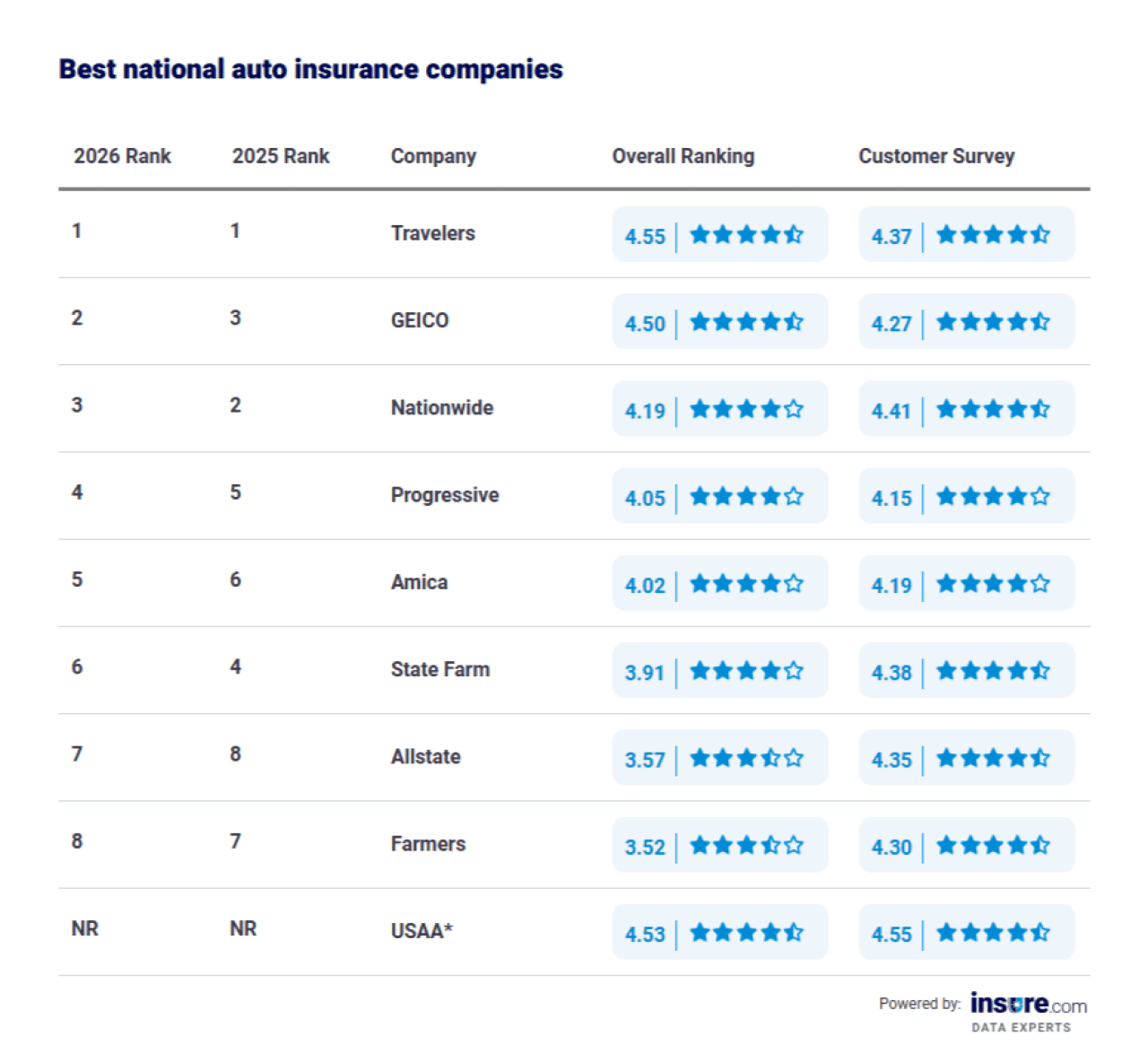
Auto insurance in USA is a contractual agreement that provides financial protection against vehicle‑related losses, such as collisions, theft, or liability claims. For example, a driver in Florida who files a claim after a rear‑end accident may receive reimbursement for repair costs and medical expenses under their policy.
The importance of auto insurance lies in its legal requirement across all states, its role in safeguarding personal assets, and its ability to offer peace of mind when unexpected events occur. Historically, coverage evolved from simple liability policies in the early 1900s to the comprehensive plans available today, reflecting advances in vehicle technology and consumer expectations.
This article explores the most critical aspects of auto insurance in USA, including pricing dynamics, coverage options, state regulations, discount opportunities, claims processes, and common pitfalls, followed by a practical FAQ and actionable tips.
1. Pricing Dynamics
Insurance premiums are influenced by a blend of personal, vehicle‑related, and market factors. Understanding these drivers helps consumers anticipate costs and identify savings.
- Risk Profile
Insurers assess driver age, driving record, and credit score to gauge risk. A 25‑year‑old with a clean record typically pays less than a 19‑year‑old with recent violations, reflecting statistical loss probabilities.
- Vehicle Type
High‑performance cars like a Chevrolet Camaro attract higher rates due to repair costs and theft likelihood, whereas a midsize sedan such as a Toyota Camry often enjoys lower premiums.
- Geographic Location
Urban areas with dense traffic, like Los Angeles, see higher premiums compared to rural regions because of increased accident frequency.
- Coverage Level
Choosing comprehensive and collision coverage adds to the base liability cost but expands protection against a broader range of incidents.
- Discounts Applied
Bundling auto with home insurance or maintaining a safe‑driver record can shave 10‑20% off the quoted premium.
2. Coverage Types Explained
Auto insurance in USA offers several core coverages. Liability coverage, mandated by every state, pays for bodily injury and property damage to third parties. Collision coverage reimburses repairs to the policyholder’s vehicle after an accident, regardless of fault. Comprehensive coverage addresses non‑collision events such as theft, fire, or natural disasters.
Additional options like uninsured motorist (UM) and underinsured motorist (UIM) protection fill gaps when another driver lacks sufficient coverage. Medical payments (MedPay) or personal injury protection (PIP) cover medical expenses for the driver and passengers, varying by state.
3. State Regulation Variations
Each state sets its own minimum liability limits and may require additional coverages. For instance, Florida mandates PIP with a $10,000 personal injury limit, while California requires only bodily injury and property damage liability.
Regulatory bodies, such as the NAIC, provide model laws, but local insurance departments enforce state‑specific rules. Consumers must verify that their policy complies with the regulations of their residence and any state they frequently travel through.
4. Discount Opportunities
- Multi‑Vehicle Discount
Insuring two or more cars under the same policy often yields a 5‑15% reduction, as insurers reward consolidated risk management.
- Good Driver Discount
Maintaining a claim‑free record for three consecutive years can unlock a discount, reflecting lower expected loss.
- Safety Feature Discount
Vehicles equipped with anti‑lock brakes, airbags, or telematics devices like Progressive’s Snapshot may qualify for lower rates.
- Affiliation Discount
Membership in professional groups, alumni associations, or employer-sponsored plans can provide exclusive pricing.
- Pay‑In‑Full Discount
Choosing to pay the annual premium upfront rather than monthly installments can save a few percent on total cost.
\n
5. Claims Process Essentials
When a loss occurs, the claims journey begins with immediate notification to the insurer, followed by documentation of damage, police reports if applicable, and submission of supporting evidence. Prompt filing accelerates claim settlement and helps avoid disputes.
Adjusters evaluate liability, assess repair estimates, and determine payout amounts. Policyholders should review the settlement offer, negotiate if necessary, and keep records of all communications to ensure a fair resolution.
6. Common Pitfalls to Avoid
- Underinsuring
Choosing limits that are too low may result in out‑of‑pocket expenses after a serious accident, especially in high‑cost medical environments.
- Ignoring Policy Changes
Annual renewals often bring adjustments; failing to review new terms can lead to unintended coverage gaps.
- Overlooking Discounts
Many drivers miss available savings simply because they do not ask their agent about eligibility.
- Misreporting Information
Providing inaccurate mileage or vehicle usage details can void a claim later on.
- Delaying Claim Filing
Most policies require prompt reporting; waiting weeks may breach conditions and jeopardize payment.
Frequently Asked Questions
Quick answers to the most common queries about auto insurance in USA.
Question 1: What is the minimum liability coverage required in most states?
Most states mandate at least $25,000 per person for bodily injury, $50,000 per accident, and $15,000 for property damage, though some states set higher thresholds.
Question 2: Does comprehensive coverage include road‑side assistance?
Typically, comprehensive coverage does not cover roadside assistance; however, many insurers offer it as an optional add‑on for a modest fee.
Question 3: How does a telematics device affect premiums?
Telematics monitors driving habits such as speed, braking, and mileage; safe driving patterns can earn discounts ranging from 5% to 20%.
Question 4: Can a policy be transferred when moving to another state?
Most insurers will adjust the existing policy to meet the new state’s requirements, but coverage limits and rates may change, so a review is essential.
Question 5: What is an uninsured motorist (UM) claim?
UM coverage pays for injuries and damages when the at‑fault driver lacks insurance, protecting the policyholder from the uninsured party’s inability to pay.
Question 6: Are rental car reimbursements standard?
Rental reimbursement is an optional coverage that covers the cost of a temporary vehicle while the insured car is being repaired after a covered loss.
Tips for Getting the Best Auto Insurance in USA
Tip 1: Compare at least three quotes to identify the most competitive rate.
Tip 2: Review policy limits annually to ensure they match current financial needs.
Tip 3: Ask about multi‑policy discounts when bundling home or renters insurance.
Tip 4: Install approved safety devices to qualify for additional savings.
Tip 5: Maintain a clean driving record to unlock good‑driver discounts.
Tip 6: Opt for a higher deductible only if comfortable with out‑of‑pocket costs.
Tip 7: Use telematics programs if confident in safe driving habits.
Tip 8: Inquire about affiliation discounts from employers or alumni groups.
Tip 9: Pay the premium annually to avoid installment fees.
Tip 10: Keep all insurance documents organized for quick claim filing.
Tip 11: Update mileage and usage information promptly after lifestyle changes.
Tip 12: Verify that the insurer is licensed in the state of residence.
Tip 13: Read the fine print on exclusions before signing.
Tip 14: Ask the agent to explain any unclear terms or conditions.
Tip 15: Re‑evaluate coverage after major life events such as marriage or moving.
Conclusion
Understanding the pricing dynamics, coverage options, state regulations, discount opportunities, claims procedures, and common mistakes equips drivers to make informed decisions about auto insurance in USA. By applying the outlined tips and staying proactive, consumers can secure appropriate protection while optimizing cost.
As vehicle technology evolves and market conditions shift, staying educated will ensure continued confidence and financial security on the road.

