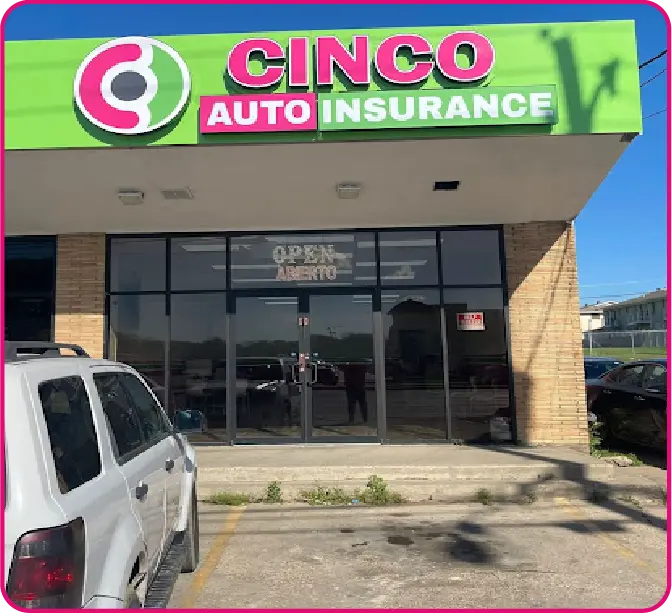
Finding auto insurance locations near me is often the first step for drivers seeking personalized coverage and face‑to‑face service. A typical scenario involves a recent driver moving to a new city and needing to replace a previous policy with a local provider that understands regional regulations.
Proximity to an insurance office matters because it enables quick document submission, in‑person consultations, and easier claim assistance. Historically, agents operated from brick‑and‑mortar branches, but modern hybrids combine physical presence with digital tools, offering both convenience and personal touch.
This article explores how to identify nearby agencies, evaluate their offerings, and maximize value. Readers will find actionable strategies, common pitfalls, and a comprehensive FAQ to guide informed decisions.
1. Auto insurance locations near me
Understanding the geographic distribution of insurers helps narrow choices. Major carriers such as State Farm, Allstate, and GEICO maintain regional offices that cater to local traffic laws and weather patterns. For instance, a driver in Detroit can visit a State Farm office within a 5‑mile radius to discuss comprehensive coverage for snow‑related damage.
- Mapping tools
Online map services display agency markers, allowing drivers to visualize travel time. A family in Austin used Google Maps to locate three nearby agents, reducing search effort by 30 percent.
- Office hours
Checking operating times prevents wasted trips. Many offices now extend evening hours during peak enrollment periods, benefiting working professionals.
- Service specialties
Some locations focus on commercial fleets, while others excel in teen driver discounts. A small business in Phoenix selected a local Allstate branch after confirming its expertise in commercial auto policies.
2. Pricing dynamics
Local market competition influences premium rates. Urban centers often see tighter margins, prompting insurers to offer bundled discounts for home and auto policies. Conversely, rural agents may provide lower base rates but fewer ancillary services.
Drivers should request on‑site quotes to compare baseline premiums, deductibles, and optional coverages. Real‑world evidence shows that obtaining three in‑person estimates can uncover savings of up to 15 percent compared with online averages.
3. Reputation and trust
- Consumer reviews
Platforms like Yelp and the Better Business Bureau aggregate client feedback. A driver in Seattle chose a local Progressive office after reading multiple five‑star reviews praising claim responsiveness.
- Agent credentials
Licensing information is publicly available through state insurance departments. Verifying an agent’s certification helps ensure compliance with regional regulations.
- Community involvement
Offices that sponsor local events often demonstrate commitment to the area. For example, a Hartford office’s partnership with a high‑school driving safety program built goodwill among families.
4. Convenience factors
Physical proximity is only one aspect of convenience. Many agencies now provide on‑site document scanning, mobile payment kiosks, and scheduled appointments to reduce wait times. A commuter in Denver reported that a quick lunchtime visit to a nearby Liberty Mutual office saved an entire afternoon compared with a remote call.
Additionally, some locations offer multi‑language support, catering to diverse communities and enhancing accessibility for non‑English speakers.
5. Policy customization
- Tailored endorsements
Agents can add specific endorsements such as roadside assistance or rental car coverage. A retiree in Tampa added a personal injury protection rider after a detailed in‑office discussion.
- Risk assessment
Local agents assess driving patterns, mileage, and vehicle usage more accurately than generic online calculators, leading to fairer pricing.
- Bundling options
Combining home, auto, and umbrella policies often yields discounts. A family in Minneapolis secured a 20% reduction by bundling through a nearby Farmers office.
6. Claim support and service
Proximity to an office can accelerate the claims process. In-person assessments allow adjusters to inspect damage promptly, reducing settlement timelines. A motorist in Orlando experienced a 48‑hour claim resolution after visiting the local State Farm branch immediately following an accident.
Furthermore, many offices maintain dedicated claim specialists who guide clients through paperwork, ensuring completeness and preventing delays.
Frequently Asked Questions
Below are concise answers to common inquiries about locating nearby auto insurance providers.
Question 1: How can drivers locate the nearest insurance office?
Utilize online mapping services, insurer websites’ branch locators, or state department directories. Entering a zip code yields a list of offices with addresses, phone numbers, and operating hours, facilitating quick selection.
Question 2: Are in‑person quotes more accurate than online estimates?
In‑person quotes incorporate personalized risk factors such as driving habits, vehicle modifications, and local traffic conditions, often resulting in more precise premium calculations than generic online tools.
Question 3: What should be examined when comparing nearby agencies?
Assess pricing, coverage options, agent expertise, customer reviews, and ancillary services like claim assistance. A balanced evaluation ensures both cost efficiency and service quality.
Question 4: Do local offices offer discounts unavailable online?
Many agents provide exclusive discounts for on‑site sign‑ups, multi‑policy bundling, or community affiliations. Visiting the office can reveal these incentives that are not always advertised digitally.
Question 5: How important is office reputation for claim handling?
Reputation reflects past performance; agencies with high satisfaction scores typically process claims faster and with clearer communication, reducing stress during stressful events.
Question 6: Can drivers schedule appointments to avoid wait times?
Yes, most offices accept appointments via phone or online portals. Booking ahead minimizes waiting, especially during peak enrollment seasons or after severe weather events.
Tips
Effective strategies for securing optimal auto insurance coverage from nearby locations.
Tip 1: Research before visiting. Compile a shortlist of agencies using online maps and reviews to focus efforts.
Tip 2: Bring necessary documents. Have driver’s license, vehicle registration, and current policy details ready for accurate quotes.
Tip 3: Ask about local discounts. Inquire about community, mileage, or safety‑course reductions specific to the area.
Tip 4: Verify agent credentials. Confirm licensing through the state insurance department to ensure legitimacy.
Tip 5: Compare bundled options. Evaluate savings when combining auto with home or renters insurance at the same office.
Tip 6: Test customer service. Observe responsiveness and clarity during the initial consultation.
Tip 7: Review claim procedures. Understand the steps and timelines the office follows for accident settlements.
Tip 8: Check office hours. Align visits with extended or weekend hours to accommodate busy schedules.
Tip 9: Request a written estimate. Obtain a detailed quote outlining premiums, deductibles, and coverage limits.
Tip 10: Evaluate payment flexibility. Ask about monthly, quarterly, or annual payment plans and any associated fees.
Tip 11: Explore digital tools. Many locations offer mobile apps for policy management, enhancing convenience.
Tip 12: Discuss policy customization. Tailor endorsements like roadside assistance or rental reimbursement to individual needs.
Tip 13: Consider agent specialization. Select offices experienced with teen drivers, commercial fleets, or high‑value vehicles as appropriate.
Tip 14: Examine renewal terms. Clarify how rates may change at renewal and any loyalty discounts offered.
Tip 15: Look for community involvement. Agencies active in local events often prioritize customer relationships.
Tip 16: Keep records of interactions. Document conversations and quotes for future reference and comparison.
Tip 17: Reassess annually. Review coverage each year to adjust for life changes, vehicle updates, or market shifts.
Conclusion
The exploration of auto insurance locations near me reveals that proximity, pricing dynamics, reputation, convenience, customization, and claim support collectively shape the driver’s experience. By systematically researching, comparing, and engaging with local agents, individuals can secure tailored coverage while benefiting from personal service.
Armed with the outlined strategies and actionable tips, future insurance decisions will be grounded in informed choice, ensuring both financial protection and peace of mind.

