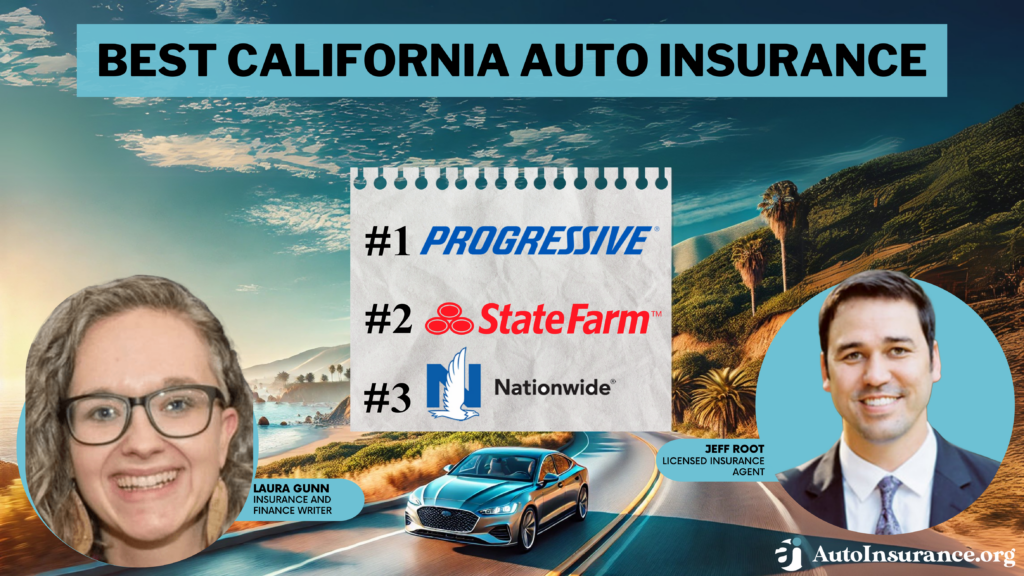
Auto insurance in Southern California is a critical financial safeguard for drivers navigating the region’s dense traffic, high repair costs, and unique risks like wildfires and theft. For example, a driver in San Diego with a 2020 Toyota Camry might pay $1,200 annually for full coverage, while a Los Angeles resident with the same vehicle could face premiums exceeding $1,800 due to urban congestion and higher accident rates. The complexity of Southern California’s insurance landscape—spanning cities like Long Beach, Orange County, and Riverside—demands careful consideration of policy types, local regulations, and provider reputation.
The importance of tailored auto insurance cannot be overstated. Beyond legal compliance, it shields drivers from financial ruin after collisions, theft, or natural disasters. Historical data shows that uninsured motorist claims in California surged by 20% between 2018 and 2023, underscoring the need for robust coverage. Southern California’s mix of coastal highways, mountainous terrain, and sprawling urban centers creates distinct coverage needs, from comprehensive policies for luxury vehicles to liability-only options for budget-conscious drivers.
This guide explores the key aspects of auto insurance in Southern California, from pricing variations across counties to lesser-known discounts and common pitfalls. Whether evaluating providers, understanding coverage limits, or preparing for claims, these insights help drivers make informed decisions.
1. Coverage Requirements by County
California mandates minimum auto insurance, but Southern California’s diverse counties impose additional practical considerations. All drivers must carry:
- Liability coverage: Required by law to cover injuries or property damage caused to others. In Los Angeles County, where distracted driving accidents are rampant, minimum limits of 15/30/5 ($15,000 per person/$30,000 per accident/$5,000 property damage) may leave drivers underinsured. For instance, a fender-bender in Santa Monica could exceed these limits, leaving the at-fault driver responsible for the remainder.
- Uninsured motorist protection: Critical in areas like Riverside, where uninsured driver rates hover around 12%. This coverage pays for medical bills and repairs if the other driver lacks insurance. A 2022 study by the California Department of Insurance found that uninsured motorist claims in San Bernardino County averaged $22,000 per incident.
- Collision and comprehensive: Not legally required but essential for high-value vehicles. In Orange County, where hailstorms and theft are common, comprehensive coverage can mitigate costs like a $3,500 replacement for a stolen Tesla Model 3.
County-specific risks also influence policy choices. For example, wildfire-prone regions like San Diego require additional endorsements for smoke damage, while coastal areas like Malibu may need flood insurance add-ons. Drivers should verify their county’s risk profile with local insurers or the California Department of Insurance.
2. Pricing Dynamics Across Cities
Premiums in Southern California vary sharply by city due to factors like population density, crime rates, and traffic patterns. Urban centers like Los Angeles and Long Beach consistently rank among the most expensive for insurance, with annual rates often exceeding $2,000 for full coverage. This reflects higher accident frequencies—Los Angeles drivers file nearly 300,000 claims yearly—and elevated repair costs from distracted driving incidents.
Conversely, smaller cities like Temecula or Thousand Oaks offer lower premiums, averaging $1,200–$1,500 annually, due to less congestion and lower theft rates. A driver switching from a Los Angeles policy to one in Ventura County might save 25–30% annually. However, proximity to high-risk areas (e.g., living near a major highway in Anaheim) can negate savings. Insurers use ZIP code-based pricing models, so drivers should compare quotes across providers to identify discrepancies.
3. Common Mistakes to Avoid
Missteps in selecting or managing auto insurance in Southern California often stem from oversights in coverage gaps or provider selection. Three recurring errors include:
- Underestimating medical payments coverage: Many drivers skip this add-on, which covers medical expenses regardless of fault. In a multi-vehicle pileup on the 405 Freeway, medical bills can exceed $50,000 per person; without this coverage, out-of-pocket costs become crippling.
- Ignoring usage-based discounts: Telematics programs like Progressive’s Snapshot or State Farm’s Drive Safe & Save can reduce premiums by 10–30% for safe drivers. A driver in Irvine with a clean record might qualify for a $400 annual discount by enabling GPS tracking.
- Mixing up liability limits: Opting for minimum limits to save money can backfire. A jury award in Orange County for a wrongful death claim once exceeded $10 million; drivers with only state-minimum coverage faced personal asset seizure.
Another critical error is failing to update policies after major life changes, such as moving to a new city or purchasing a high-end vehicle. For example, a driver who upgraded from a Honda Civic to a Porsche in Laguna Beach without notifying their insurer could face denied claims if the policy limits don’t reflect the vehicle’s value.
4. Provider Comparison: Local vs. National
Southern California’s insurance market features a mix of national brands and regional specialists, each with distinct advantages. National providers like Geico or Allstate offer broad coverage and digital tools but may charge higher premiums in urban areas. Local insurers, such as Mercury Insurance (based in Burbank) or Century National (with a strong California presence), often provide more personalized service and better rates for high-risk drivers.
For example, Mercury Insurance specializes in California policies and frequently adjusts rates based on local claim data, such as the spike in hail damage claims in Riverside during monsoon season. Meanwhile, national insurers might bundle auto policies with homeowners insurance, appealing to drivers in gated communities like Newport Beach. Drivers should compare at least three quotes, prioritizing providers with strong AM Best ratings (indicating financial stability) and high customer satisfaction scores in the California Department of Insurance’s complaints database.
5. Discounts Unique to Southern California
Insurers in Southern California offer targeted discounts that reflect regional behaviors and risks. Drivers can save hundreds annually by leveraging these programs:
- Multi-vehicle discounts: Households with multiple insured vehicles in areas like San Diego can reduce premiums by 15–20%. A family insuring three cars through the same provider might save $600 annually.
- Low-mileage commuter discounts: Programs like Farmers Insurance’s “Low Mileage Discount” reward drivers who log under 7,500 miles yearly. A remote worker in Carlsbad could qualify for a 10% premium reduction.
- Anti-theft device incentives: Insurers like State Farm offer discounts (5–15%) for vehicles equipped with GPS trackers or alarm systems. In Los Angeles, where car thefts rose 12% in 2023, this discount can offset higher urban rates.
- Good student discounts for young drivers: Students in Southern California with a GPA of 3.0 or higher may see premiums reduced by 25%. This is particularly valuable in areas like Irvine, where teen drivers face higher accident rates.
Drivers should also inquire about loyalty discounts (after 5+ years with the same provider) and affiliation discounts through employers or professional organizations. For instance, members of the California Association of Realtors often receive 5–10% off through partner insurers.
6. Filing Claims: Steps and Challenges
Navigating claims in Southern California requires prompt action and awareness of local challenges. After an accident, drivers must:
- Document the scene: Use smartphones to capture photos of damage, license plates, and witness statements. In chaotic intersections like those in Downtown LA, delays in documentation can lead to disputes over fault.
- Notify the insurer within 24 hours: California law requires prompt reporting, but insurers like Allstate may extend deadlines in cases of severe weather-related damage (e.g., mudslides in Malibu).
- Request a rental car immediately: Many policies cover rental reimbursement, but delays in approval can leave drivers stranded. In Orange County, where public transit is limited, this step is critical.
Challenges arise from California’s “at-fault” state laws and the prevalence of hit-and-run incidents. For example, a driver in Pasadena might file a claim only to discover the other party is uninsured, requiring reliance on uninsured motorist coverage. Insurers often scrutinize claims in high-theft areas like Compton, where fraudulent reports are more common. Drivers should keep all receipts and repair estimates to expedite settlements.
7. Future Trends: Tech and Regulation
Emerging technologies and regulatory shifts are reshaping auto insurance in Southern California. Insurtech innovations, such as AI-driven risk assessment tools, allow providers to offer more precise pricing. For instance, companies like Lemonade use real-time data to adjust premiums based on driving behavior, which could benefit safe drivers in areas like Palos Verdes Peninsula. Additionally, California’s 2024 expansion of usage-based insurance programs aims to reduce premiums for low-risk drivers by 15% on average.
Regulatory changes are also on the horizon. Proposed legislation in Sacramento could mandate higher uninsured motorist coverage limits in response to rising claim costs. Meanwhile, the California Department of Insurance is exploring blockchain-based claim processing to reduce fraud in high-risk areas like South Central LA. Drivers should monitor these developments, as they may introduce new coverage options or pricing models.
8. Resources for Southern California Drivers
Accessing reliable information is key to managing auto insurance effectively. Drivers can leverage the following resources:
- California Department of Insurance (CDI): Offers tools to compare providers, file complaints, and review local claim statistics. The CDI’s “Auto Insurance Consumer Guide” provides county-specific insights.
- Local consumer protection agencies: Organizations like the Better Business Bureau (BBB) or the Los Angeles County District Attorney’s Office track insurer complaints. Checking a provider’s BBB rating can reveal patterns of delayed claims or poor customer service.
- Nonprofit financial education programs: Agencies like the Urban League of Greater Los Angeles offer free workshops on insurance literacy, including sessions tailored to first-time drivers.
Drivers should also consult with independent insurance agents who specialize in Southern California policies. These professionals can navigate the region’s complexities, such as securing coverage for classic cars in historic districts or obtaining quotes for high-net-worth individuals in Beverly Hills.
Frequently Asked Questions
Auto insurance in Southern California raises specific questions for drivers navigating its unique challenges.
Question 1: How do wildfires affect auto insurance rates in Southern California?
Wildfire-prone areas like San Diego and Ventura see premium increases of 5–15% due to higher comprehensive coverage claims. Insurers like State Farm may require additional endorsements for smoke damage, and some providers exclude wildfire coverage entirely in high-risk ZIP codes.
Question 2: Can I get auto insurance with a DUI on my record in California?
Yes, but premiums will rise significantly—often 30–50% higher. Providers like Mercury Insurance specialize in high-risk policies and may offer SR-22 filings required by the DMV. Shopping with a non-standard insurer can sometimes yield lower rates than major carriers.
Question 3: Does my Southern California auto policy cover rental cars?
Most policies include collision/comprehensive coverage for rental cars, but exclusions apply. Check for limits (e.g., $30/day) and ensure the rental agreement doesn’t void your coverage. Luxury rentals may require additional endorsements.
Question 4: How long does it take to get a quote for auto insurance in California?
Online quotes typically take 5–10 minutes, while in-person or phone quotes may require 15–30 minutes. Providers like Geico offer instant quotes, while local insurers like Mercury may need additional verification (e.g., driving history) to finalize rates.
Question 5: Are electric vehicles (EVs) more expensive to insure in Southern California?
Yes, EVs like the Tesla Model 3 cost 20–30% more to insure due to higher repair costs and theft risks. However, some insurers offer discounts for EV safety features. Comprehensive coverage is essential, as battery replacements can exceed $10,000.
Question 6: What happens if I don’t have auto insurance in California?
Penalties include fines of $100–$200 for the first offense, license suspension, and potential jail time. Uninsured drivers caught at fault in an accident face additional liability for all damages, which can total hundreds of thousands in Southern California’s high-cost cities.
9 Proven Tips for Southern California Drivers
Optimizing auto insurance in Southern California requires proactive steps to reduce costs and enhance coverage.
Tip 1: Bundle policies for multi-vehicle households. Combining auto and homeowners insurance with providers like Farmers can yield 10–20% savings. A family in Orange County insuring three cars and a home might save $800 annually.
Tip 2: Install a dash cam to reduce claim disputes. Devices like the BlackVue DR900X reduce accident-related claim denials by 40%. In congested areas like Downtown LA, footage can prove fault in hit-and-run cases.
Tip 3: Request a usage-based insurance trial. Programs like Allstate’s Drivewise offer 30-day free trials. Drivers in low-traffic areas like Temecula could qualify for permanent discounts after demonstrating safe habits.
Tip 4: Pay annually to avoid monthly fees. Many insurers charge $3–$5 per month for payment plans. A $1,500 annual premium paid upfront saves $30–60 yearly.
Tip 5: Compare quotes after major life events. Moving, marriage, or retirement can alter risk profiles. A driver relocating from LA to Palm Springs might qualify for lower rates due to reduced traffic exposure.
Tip 6: Ask about new driver training discounts.
Programs like the California DMV’s “Behind the Wheel” course can reduce teen premiums by 10–15%. Insurers like Progressive offer similar discounts for defensive driving classes.
Tip 7: Review medical payment coverage limits. Increasing limits from $5,000 to $10,000 adds $20–$50 annually but covers more extensive injuries. In a multi-car accident on the 101 Freeway, this could prevent out-of-pocket medical bills exceeding $50,000.
Tip 8: Check for employer or alumni discounts. Companies like Toyota Financial Services and UCLA Alumni Association partner with insurers to offer 5–15% discounts. A UCLA graduate insuring through their alumni program might save $300 yearly.
Tip 9: Document all repairs and claims digitally. Use apps like Everquote or your insurer’s portal to track claim statuses. In areas prone to fraud (e.g., South LA), digital records strengthen legitimate claims.
Conclusion
Auto insurance in Southern California demands attention to local risks, provider nuances, and proactive strategies to secure affordable, comprehensive coverage. From understanding county-specific requirements to leveraging discounts and avoiding common pitfalls, drivers who approach their policies with precision can mitigate financial exposure. As technology and regulations evolve, staying informed ensures policies remain aligned with changing needs—whether navigating urban traffic in Los Angeles or protecting against wildfires in San Diego.
The future of auto insurance in Southern California will likely emphasize data-driven personalization, with insurers using real-time analytics to tailor coverage. Drivers who embrace these advancements—while remaining vigilant about coverage gaps—will be best positioned to balance cost and protection in one of the nation’s most dynamic driving environments.

