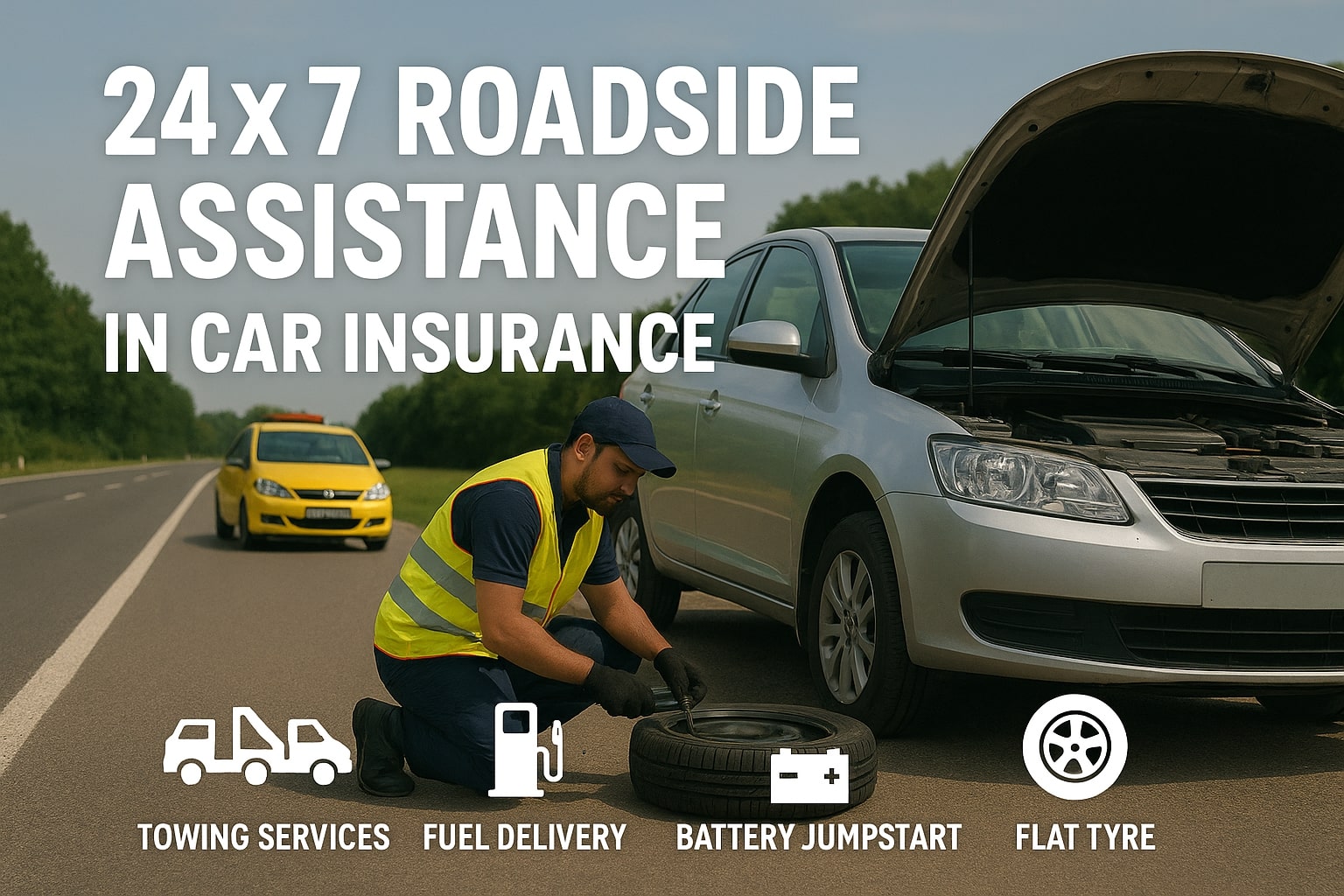
auto insurance 24 7 offers uninterrupted protection for motorists, ensuring that coverage and assistance are available at any hour, day or night. For example, a driver involved in a midnight collision can file a claim through a mobile app and receive immediate guidance without waiting for business hours.
This constant availability reduces stress, shortens claim resolution times, and aligns with modern expectations of instant service. Historically, insurance operated within limited office hours, but digital platforms and regulatory changes have driven the shift toward 24‑hour accessibility, benefiting both insurers and policyholders.
The following sections explore pricing, support channels, claim handling, digital tools, emergency assistance, and regulatory considerations, providing a comprehensive view of round‑the‑clock auto insurance.
1. Continuous Coverage Benefits
Understanding the advantages of nonstop protection helps drivers choose policies that match lifestyle demands.
- Immediate Claim Filing
Policyholders can submit accident reports via apps at any hour, accelerating the assessment process. A driver in a rural area reported a crash at 2 a.m., and the insurer began processing within minutes, reducing vehicle downtime.
- Round‑the‑Clock Customer Service
Support centers operate 24 hours, offering live assistance for emergencies. When a storm damaged a car at night, a driver received guidance on towing and temporary repair options without delay.
- Enhanced Peace of Mind
Knowing help is always reachable lowers anxiety, especially for long‑distance commuters. Frequent travelers report higher confidence on night routes when coverage is guaranteed around the clock.
- Competitive Market Position
Insurers that provide continuous service often attract tech‑savvy customers, driving brand loyalty and market share growth.
2. Pricing Dynamics
Premiums for 24‑hour coverage reflect risk assessment, technology investment, and service level. Insurers may apply a modest surcharge for extended support, but discounts frequently offset costs through usage‑based programs. For instance, telematics data can demonstrate safe driving habits, qualifying drivers for lower rates despite the added service layer.
Geographic factors also influence pricing; urban areas with higher traffic density may see higher base rates, while rural regions benefit from lower accident frequencies. Understanding these variables enables drivers to compare offers objectively.
3. auto insurance 24 7 Support Channels
Multiple communication pathways ensure that help reaches drivers in the most convenient format.
- Mobile Apps
Dedicated applications allow instant claim submission, policy review, and live chat. A driver in Chicago used the app to upload photos of damage, triggering an immediate adjuster response.
- Phone Hotlines
Traditional toll‑free numbers remain essential for those preferring voice interaction. Nighttime calls connect directly to specialists trained in emergency protocols.
- Web Portals
Secure online dashboards provide document storage, payment options, and real‑time policy updates, accessible from any device.
- SMS Alerts
Text notifications deliver claim status, renewal reminders, and roadside assistance confirmations, keeping drivers informed without logging into portals.
4. Claims Process Anytime
The claim lifecycle under 24‑hour insurance emphasizes speed and transparency. Initial reporting triggers an automated acknowledgment, followed by a rapid assignment of an adjuster. Real‑time tracking dashboards let policyholders monitor each stage, from inspection to settlement.
Advanced analytics reduce fraud risk by cross‑checking incident data against historical patterns. This technology ensures legitimate claims are expedited while protecting the insurer’s financial integrity.
5. Digital Policy Management
Digital tools simplify administration, allowing drivers to modify coverage, add drivers, or update vehicle information without waiting for office hours.
- Instant Policy Updates
Adding a new vehicle through the portal updates coverage instantly, preventing gaps that could affect liability protection.
- Automated Renewals
Renewal reminders and one‑click extensions maintain continuous protection, eliminating the risk of lapse during holiday periods.
- Usage‑Based Discounts
Telematics integration records mileage and driving behavior, offering dynamic pricing adjustments that reward safe habits.
- Secure Document Storage
All policy documents, claim forms, and receipts are encrypted and retrievable anytime, supporting audit readiness.
6. Emergency Roadside Assistance
Round‑the‑clock policies often bundle roadside services such as towing, lockout assistance, and fuel delivery. When a driver experiences a flat tire at 3 a.m., the insurer dispatches a service provider within minutes, minimizing inconvenience.
Partnerships with national networks expand coverage geography, ensuring assistance is available even in remote locations. Service quality metrics, like response time and customer satisfaction, are tracked to maintain high standards.
7. Legal and Regulatory Landscape
Regulations governing continuous insurance vary by jurisdiction, influencing mandatory minimum coverage and consumer protection standards. Some states require insurers to maintain a 24‑hour claims hotline, while others focus on digital accessibility.
Compliance audits verify that insurers meet response‑time obligations and data‑privacy requirements, safeguarding policyholder information throughout the after‑hours interaction.
Frequently Asked Questions
Common inquiries about nonstop auto coverage are addressed below.
Question 1: How does 24‑hour claim filing differ from traditional methods?
Instant filing uses mobile or web platforms to submit incident details at any time, triggering automated acknowledgment and faster adjuster assignment, which reduces overall settlement time compared to office‑hour submissions.
Question 2: Are premiums higher for round‑the‑clock service?
Premiums may include a modest surcharge for extended support, but many insurers offset this with usage‑based discounts, telematics incentives, or bundled services that lower the net cost.
Question 3: What support channels are available during emergencies?
Drivers can access help via mobile apps, dedicated phone hotlines, secure web portals, and SMS alerts, ensuring assistance matches personal preferences and situational constraints.
Question 4: Can policy changes be made after hours?
Yes, digital portals allow instant updates such as adding vehicles, adjusting deductibles, or extending coverage, preventing gaps that could affect liability protection.
Question 5: Does 24‑hour coverage include roadside assistance?
Most nonstop policies bundle emergency services like towing, lockout aid, and fuel delivery, with response times tracked to meet service‑level agreements.
Question 6: How do regulations impact 24‑hour insurance?
State regulations may mandate continuous claim hotlines, define minimum coverage levels, and enforce data‑privacy standards, shaping how insurers design and deliver nonstop services.
Tips for Maximizing 24‑Hour Auto Insurance
Implementing best practices enhances value and ensures seamless protection.
Tip 1: Review coverage limits annually. Adjust limits to reflect vehicle value changes and evolving risk exposure.
Tip 2: Enable mobile app notifications. Real‑time alerts keep drivers informed of claim status and policy updates.
Tip 3: Register telematics devices promptly. Early activation captures safe‑driving data for potential discounts.
Tip 4: Keep emergency contact information current. Accurate details expedite roadside assistance dispatch.
Tip 5: Compare surcharge structures. Evaluate how different insurers price the 24‑hour service component.
Tip 6: Test claim filing process. Simulate a minor incident to familiarize with app workflows before a real event.
Tip 7: Store policy documents securely online. Cloud‑based storage prevents loss and simplifies audit preparation.
Tip 8: Monitor regulatory updates. Stay aware of state‑level changes that could affect coverage requirements.
Conclusion
The examined aspects illustrate how auto insurance 24 7 integrates continuous coverage, flexible pricing, diverse support channels, streamlined claims, digital management, emergency assistance, and regulatory compliance into a cohesive offering. By leveraging these features, drivers achieve greater peace of mind and operational efficiency.
Future advancements in artificial intelligence and connected vehicle technology promise even faster response times and more personalized protection, solidifying nonstop insurance as a cornerstone of modern mobility.

