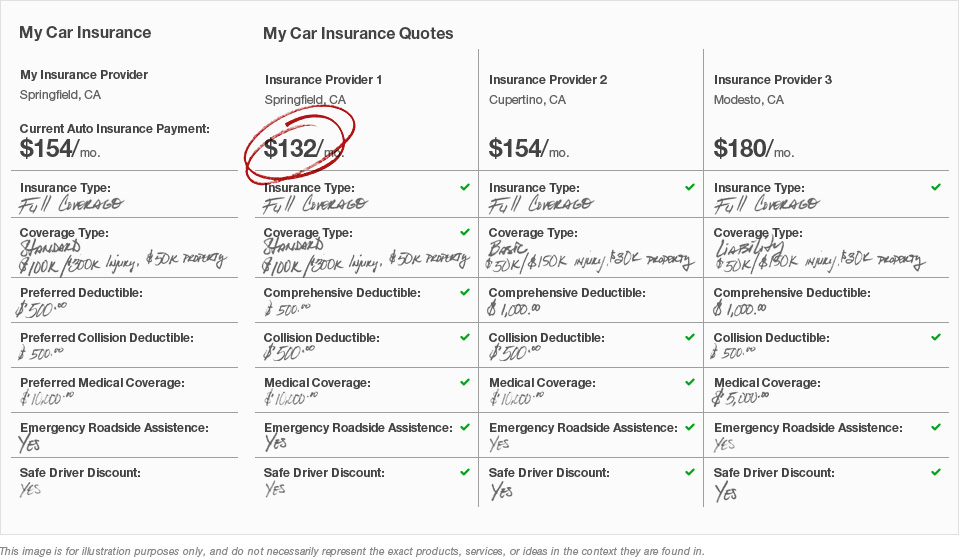
Auto insurance quotes compare online has become a routine step for motorists seeking the best coverage at the lowest price. For example, a driver in Austin entered zip code 78701 into three major insurer portals and received three distinct premium offers within minutes, illustrating the speed and convenience of digital comparison.
The practice matters because it empowers consumers to evaluate pricing dynamics, coverage options, and discount eligibility without the need for phone calls or in‑person visits. Historically, quote gathering required multiple agents and days of waiting; today, algorithms and aggregators deliver tailored estimates instantly, fostering a more competitive market.
This article examines the mechanics behind online quote comparison, highlights common pitfalls, and provides actionable guidance for making informed decisions. Sections cover pricing factors, tool selection, data privacy, discount discovery, and post‑comparison steps, followed by FAQs, practical tips, and a concise conclusion.
1. Auto Insurance Quotes Compare Online: Why It Matters
Understanding the relevance of digital quote comparison begins with recognizing how insurers calculate risk. Factors such as driving record, vehicle model, mileage, and location feed into predictive models that generate personalized rates. By submitting identical information across multiple platforms, the driver can observe how each insurer weights these variables, revealing hidden cost drivers and potential savings.
Moreover, the online environment encourages transparency. Many aggregators display side‑by‑side tables that break down premium components—liability, collision, comprehensive, and optional add‑ons—making it easier to assess value beyond the headline price.
2. Pricing Dynamics
- Risk Scoring Algorithms
Insurers employ proprietary algorithms that translate driver behavior into a risk score. A driver with a clean record may see a 12% premium drop from one carrier versus a 5% drop from another, illustrating algorithmic variance and its impact on final quotes.
- Geographic Adjustments
Location‑based factors such as traffic density and crime rates influence rates. For instance, a driver in a high‑theft urban area may receive a $150 higher quote than a counterpart in a suburban zone, even with identical vehicle specs.
- Vehicle Profile Weighting
Cars with advanced safety features often qualify for lower premiums. A 2022 Subaru Outback equipped with automatic emergency braking may attract a 7% discount, while a comparable model lacking the feature sees no reduction.
Recognizing these dynamics helps the consumer interpret why quotes differ and where negotiation opportunities exist.
3. Selecting the Right Comparison Tool
- Aggregator Reputation
Platforms like The Zebra and NerdWallet aggregate data from dozens of carriers, offering broader coverage than a single insurer’s website. Choosing a reputable aggregator reduces the risk of outdated or incomplete offers.
- User Interface Clarity
A clean, step‑by‑step questionnaire minimizes input errors. When a tool prompts for exact mileage rather than an estimate, the resulting quote more accurately reflects the driver’s usage pattern.
- Data Integration Speed
Real‑time API connections ensure that the displayed quotes reflect current underwriting criteria, preventing situations where a quoted rate expires before the policy can be bound.
Effective tool selection streamlines the comparison process and improves confidence in the resulting figures.
4. Privacy and Data Security
Submitting personal data online raises legitimate concerns about privacy. Reputable comparison sites employ SSL encryption and comply with regulations such as the GDPR and CCPA, safeguarding information during transmission and storage. Drivers should verify that a site’s privacy policy explicitly states that data will not be sold to third parties without consent.
In addition, using a disposable email address for initial quote requests can limit exposure to marketing spam, while still allowing follow‑up communications from insurers.
5. Uncovering Discounts and Incentives
- Bundling Savings
Many insurers offer 10‑15% discounts when auto coverage is combined with homeowners or renters policies. A driver who bundles may see a $200 annual reduction compared with purchasing stand‑alone auto insurance.
- Safe Driver Programs
Telematics devices that monitor braking and acceleration can qualify motorists for usage‑based discounts. Participants often experience a 5‑20% premium cut after six months of safe driving data.
- Affiliation Benefits
Membership in professional organizations, alumni groups, or credit unions frequently unlocks exclusive rate reductions, sometimes amounting to $100 or more per year.
Identifying these incentives during the online comparison stage ensures that the final policy reflects all eligible savings.
6. Post‑Comparison Decision Making
After gathering multiple estimates, the driver should prioritize criteria beyond price. Coverage limits, deductible flexibility, claim handling reputation, and financial strength ratings (e.g., A.M. Best) influence long‑term satisfaction. A slightly higher premium from a carrier with superior claim satisfaction scores may outweigh a lower‑cost alternative that struggles with claim payouts.
Finally, contacting the chosen insurer to confirm any quoted discounts and to clarify policy language prevents surprises at renewal. Securing a written confirmation of the final premium and coverage details solidifies the decision.
Frequently Asked Questions
Below are common inquiries about comparing auto insurance quotes online.
Question 1: How many quotes should be obtained for a reliable comparison?
Gathering at least three distinct quotes provides a balanced view of market pricing. This range captures variations in underwriting approaches while remaining manageable for thorough analysis.
Question 2: Are online quotes as accurate as those from agents?
Online quotes are generated from the same underwriting data used by agents, making them equally accurate when the input information is complete and precise.
Question 3: What personal data is required for an online quote?
Typical requirements include driver age, license number, vehicle identification number (VIN), address, mileage, and driving history. Providing exact details improves quote fidelity.
Question 4: Can discounts be applied retroactively after purchasing?
Many insurers allow post‑purchase discount reviews, especially for safe‑driver or bundling incentives. Requesting a policy audit within the first 30 days often yields additional savings.
Question 5: How does credit score affect auto insurance rates?
In most states, insurers factor creditworthiness into premium calculations. A higher credit score can lower rates by 5‑15%, while a lower score may increase them.
Question 6: Is it necessary to revisit quotes each year?
Re‑evaluating quotes annually captures changes in personal circumstances, market rates, and new discount programs, helping maintain optimal coverage cost.
Tips for Comparing Auto Insurance Quotes Online
Implementing these strategies maximizes savings and coverage quality.
Tip 1: Verify data consistency. Ensure the same zip code, vehicle VIN, and driving history are entered on each platform to enable an apples‑to‑apples comparison.
Tip 2: Use multiple aggregators. Different sites may partner with distinct carrier pools, expanding the range of available quotes.
Tip 3: Prioritize coverage limits. Select a baseline liability limit before comparing premiums to focus on value rather than price alone.
Tip 4: Check deductible impact. Raising the deductible by $200 often reduces the premium by 5‑10%, providing a quick cost‑cutting lever.
Tip 5: Look for usage‑based programs. If daily mileage is low, telematics plans can produce substantial discounts.
Tip 6: Review insurer financial ratings. A high rating from agencies like A.M. Best signals claim‑paying reliability.
Tip 7: Confirm discount eligibility. Input affiliation codes or membership numbers during the quote process to unlock hidden savings.
Tip 8: Read policy exclusions. Understanding what is not covered prevents unexpected out‑of‑pocket expenses after a claim.
Tip 9: Save a copy of each quote. Documenting the date, coverage details, and premium aids future negotiations and renewals.
Tip 10: Re‑evaluate before renewal. Market conditions shift; a quick online check each year can reveal better options.
Conclusion
The evolution of auto insurance quotes compare online transforms a once‑labor‑intensive task into a swift, data‑driven process. By grasping pricing dynamics, selecting reputable tools, protecting personal data, and uncovering discounts, motorists can secure optimal coverage at competitive rates.
Continual re‑assessment and informed decision‑making ensure that each policy remains aligned with evolving needs, keeping both safety and savings firmly in view.

