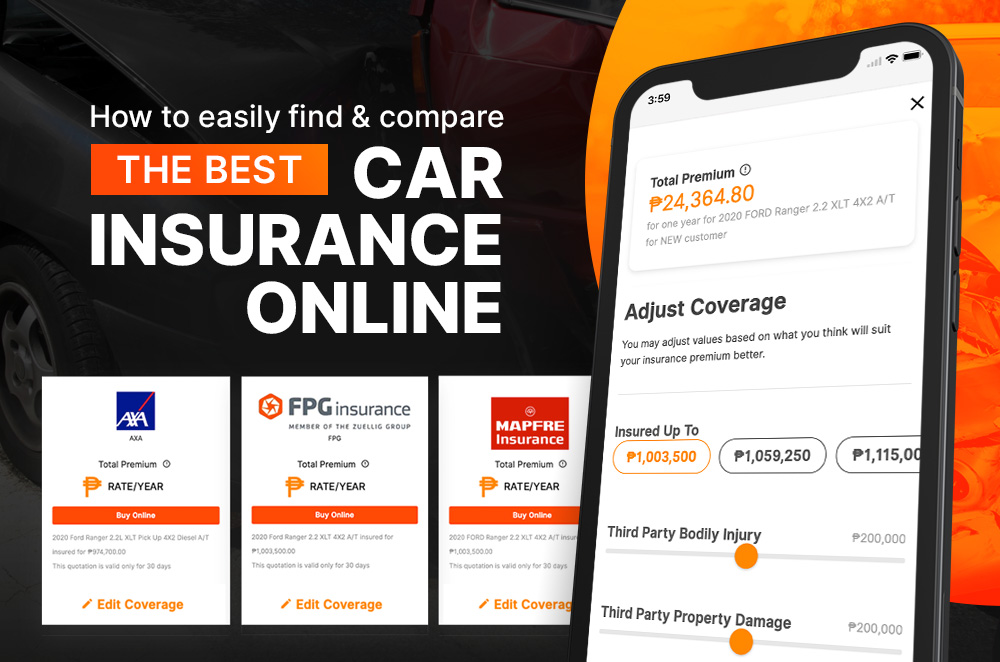
All online car insurance refers to the complete digital purchase, management, and claims handling of automobile coverage without any in‑person interaction. For example, a driver in Austin can obtain a full liability and collision policy from a major insurer through a mobile app in under ten minutes.
This model has reshaped the market by cutting administrative overhead, offering transparent price comparisons, and providing 24/7 access to policy documents. Historically, insurance required agents, paper forms, and phone calls; the shift to online platforms reflects broader consumer demand for speed and convenience.
The following sections explore pricing mechanisms, coverage choices, claim workflows, data security, provider selection, and practical tips, equipping readers with a comprehensive understanding of all online car insurance.
1. All Online Car Insurance Overview
This opening segment defines the end‑to‑end digital experience, from instant quotes to electronic proof of insurance. Drivers benefit from real‑time premium adjustments based on telematics data, while insurers gain efficiencies through automated underwriting.
Key benefits include reduced paperwork, faster policy issuance, and the ability to compare multiple carriers side by side on a single screen. The ecosystem also supports integration with navigation apps, enabling usage‑based insurance models that reward safe driving habits.
2. Pricing Dynamics
- Algorithmic Quote Engine
Machine‑learning models process driver demographics, vehicle data, and location to generate instant rates. A New York driver saw a 12% discount after the system recognized a low‑risk commute pattern.
- Risk‑Based Discounts
Online platforms automatically apply safe‑driver, multi‑policy, and anti‑theft device discounts without manual paperwork. This transparency helps consumers see savings as they input information.
- Geographic Factors
Premiums adjust based on ZIP‑code crime statistics and accident frequency. Residents of suburban areas often receive lower rates than those in high‑traffic urban cores.
- Driving History Weighting
Recent ticket or claim data influences the final quote; some insurers cap the impact after three years of clean driving, encouraging long‑term safety.
- Bundling Options
Combining auto with home or renters insurance on the same digital portal can shave up to 15% off the total premium, a feature highlighted in most comparison tools.
3. Coverage Options
All online car insurance platforms present a menu of coverages ranging from minimum liability to comprehensive packages that include roadside assistance and rental reimbursement. Drivers can toggle each option with a single click, instantly seeing how the premium adjusts.
Usage‑based insurance (UBI) is a notable addition, where telematics devices or smartphone apps track mileage and driving behavior, rewarding low‑risk habits with lower rates. This flexibility appeals to infrequent drivers and rideshare participants alike.
4. Digital Claims Process
- Instant Incident Reporting
Through a mobile app, policyholders upload photos, GPS data, and a brief description; claims are logged within minutes, reducing the lag typical of phone‑based reporting.
- AI‑Driven Damage Assessment
Computer‑vision algorithms evaluate uploaded images to estimate repair costs, often providing a preliminary payout before a human adjuster intervenes.
- Live Chat Support
Chatbots handle routine inquiries, while seamless escalation to human agents ensures complex cases receive personalized attention.
- Paperless Documentation
All required forms, receipts, and settlement letters are stored securely in the user’s account, accessible anytime for review or tax purposes.
5. Security and Data Privacy
Digital insurers employ end‑to‑end encryption, multi‑factor authentication, and regular security audits to protect personal and financial information. Compliance with regulations such as GDPR and CCPA further safeguards consumer rights.
Data minimization principles mean only essential data—driver license, vehicle identification number, and payment details—are collected. Third‑party data sharing is limited to underwriting partners under strict contractual clauses.
6. Choosing the Right Provider
- Financial Strength Ratings
Ratings from agencies like A.M. Best indicate an insurer’s ability to pay claims; a high rating (A+ or above) offers peace of mind.
- Customer Review Scores
Aggregated feedback on platforms such as Trustpilot highlights real‑world service quality, especially regarding claim turnaround times.
- Feature Set Alignment
Drivers should match platform capabilities—UBI, digital wallet integration, or multi‑policy discounts—to personal needs.
- State Licensing Compliance
Only insurers licensed in the driver’s state can legally issue policies; verification tools within comparison sites simplify this check.
Frequently Asked Questions
Below are concise answers to the most common inquiries about all online car insurance.
Question 1: What exactly is all online car insurance?
All online car insurance is a fully digital solution that allows drivers to obtain, manage, and claim auto coverage through web portals or mobile apps, eliminating the need for face‑to‑face meetings or paper forms.
Question 2: How do online premiums differ from traditional ones?
Online premiums often reflect real‑time data inputs, such as telematics and location analytics, resulting in more personalized rates that can be lower than traditional static pricing models.
Question 3: Can claims be processed entirely online?
Yes, most digital insurers support end‑to‑end claim submission, damage assessment via AI, and electronic payouts, allowing policyholders to complete the entire process without phone calls.
Question 4: Are hidden fees common in digital policies?
Transparent pricing is a hallmark of reputable platforms; any additional fees—such as administrative or payment processing charges—are disclosed up front before purchase.
Question 5: How secure is personal data on these platforms?
Leading insurers employ encryption, multi‑factor authentication, and regular security audits, adhering to standards like GDPR and CCPA to protect consumer information.
Question 6: What factors most influence the final premium?
Key drivers include age, driving record, vehicle type, mileage, geographic risk, and selected coverages; usage‑based programs can further adjust rates based on actual driving behavior.
Tips
Implement these actionable steps to maximize value from all online car insurance.
Tip 1: Compare at least three quotes. Using aggregator sites reveals price variations and feature differences across carriers.
Tip 2: Enable usage‑based discounts. Install telematics apps or devices to capture safe‑driving data for potential savings.
Tip 3: Review policy limits annually. Adjust coverage to reflect changes in vehicle value or personal circumstances.
Tip 4: Set up automatic payments. Avoid missed‑payment penalties and often qualify for a small discount.
Tip 5: Keep documentation digital. Store receipts and claim records in the insurer’s portal for quick reference.
Tip 6: Verify insurer’s licensing. Confirm the provider is authorized to sell policies in the driver’s state.
Tip 7: Check security certifications. Look for SSL/TLS encryption and compliance badges on the website.
Tip 8: Bundle policies when possible. Combine auto with home or renters insurance for multi‑policy discounts.
Tip 9: Update mileage regularly. Accurate annual mileage inputs prevent over‑charging on usage‑based plans.
Tip 10: Read customer reviews. Real‑world feedback highlights claim efficiency and overall satisfaction.
Conclusion
The examined aspects—pricing dynamics, coverage flexibility, digital claims, security measures, and provider selection—illustrate how all online car insurance delivers efficiency and personalization for modern drivers. By leveraging transparent tools and data‑driven insights, policyholders can secure appropriate protection while optimizing costs.
As digital ecosystems continue to evolve, future innovations such as blockchain‑based contracts and AI‑enhanced risk modeling promise even greater convenience and trust in the online auto insurance landscape.

